
By Henry Umoru
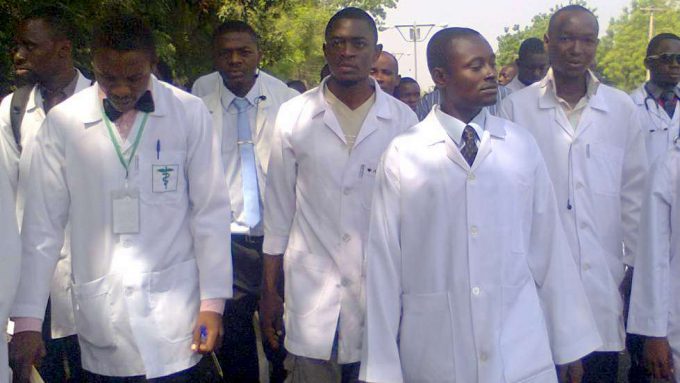
ABUJA — The Registrar of the Medical and Dental Council of Nigeria (MDCN), Fatimah Kyari, has revealed that about 2,000 medical doctors in Nigeria face challenges securing placements for their Housemanship each year, due to limited capacity in the country’s Centralized Housemanship System.
Speaking during the 2026 budget defence session before the Senate Committee on Health in Abuja, Kyari explained that while approximately 6,000 doctors graduate annually from Nigerian medical schools, the Centralized System can only accommodate 4,000.
“A total of about 6,000 medical doctors are produced annually from various medical schools, while the Centralized Housemanship System in operation has a capacity for only 4,000 doctors,” she said. “To accommodate all 6,000 at once each year, there is a need to include state and privately-owned hospitals in the Centralized Housemanship System.”
Kyari also raised concerns over funding challenges, stating that not a single kobo was released from the N1.2 billion capital vote appropriated for MDCN in the 2025 fiscal year. Of the N100 million allocated for overheads, only N37.5 million was released. On personnel costs, N13.859 billion was disbursed from the N16.8 billion earmarked.
She emphasized that expanding Housemanship placements to state and private hospitals is critical not only for accommodating all graduates but also for addressing brain drain, which she said is undermining the healthcare sector.
In response, the Chairman of the Senate Committee on Health, Senator Banigo Ipalibo (Rivers West), assured the MDCN registrar that the committee would work to ensure adequate funding for the council.
The post 2,000 medical doctors face housemanship placement challenges annually — MDCN appeared first on Vanguard News.
” style=”width:100%; height:auto;”>
Approximately 2,000 medical doctors in Nigeria encounter difficulties in finding placements for their Housemanship every year. The Medical and Dental Council of Nigeria (MDCN) Registrar, Fatimah Kyari, disclosed that despite an annual production of 6,000 doctors from Nigerian medical schools, the Centralized Housemanship System can only accommodate 4,000. Kyari stressed the need to involve state and private hospitals in the system to cater to all graduates and combat brain drain in the healthcare sector.
Moreover, Kyari highlighted funding challenges faced by MDCN, noting inadequate disbursement from the 2025 fiscal year budget. Only a fraction of the allocated funds for overhead and personnel costs were released, hindering the council’s operations. In response, the Chairman of the Senate Committee on Health, Senator Banigo Ipalibo (Rivers West), pledged to work towards ensuring adequate funding for MDCN’s activities.
Original Source: Vanguard News